Requests and routing
Requests from the website, Telegram and forms land in one list on their own and go to the right person by your rules.
Service · process automation
We find the work your team does by hand every day: calling around, sending reminders, copying into spreadsheets, handing out tasks, collecting reports. Then we hand it to a system — a bot, a CRM or an AI assistant. People stay where thinking is needed.
First call is free · we write the spec together · scope and price in writing

We work with businesses in five countries
What’s included
We start with the one process that eats the most hours and add the next ones once the first is running.
Requests from the website, Telegram and forms land in one list on their own and go to the right person by your rules.
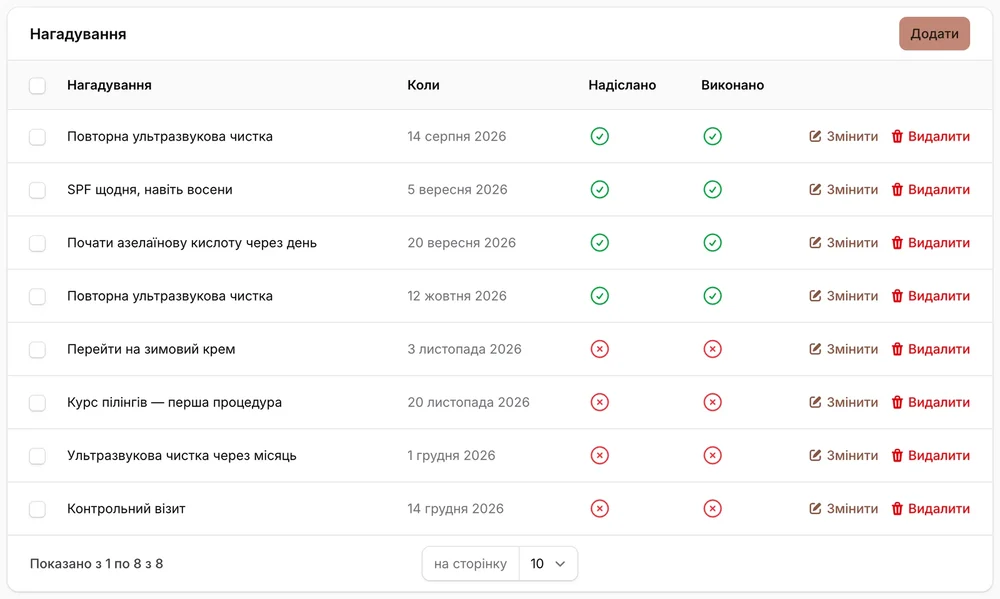
Clients get reminded about bookings and payments, staff about deadlines. No calls, no manual messages.
An order is split into subtasks automatically, reports arrive with one tap in Telegram, and the manager gets a summary.
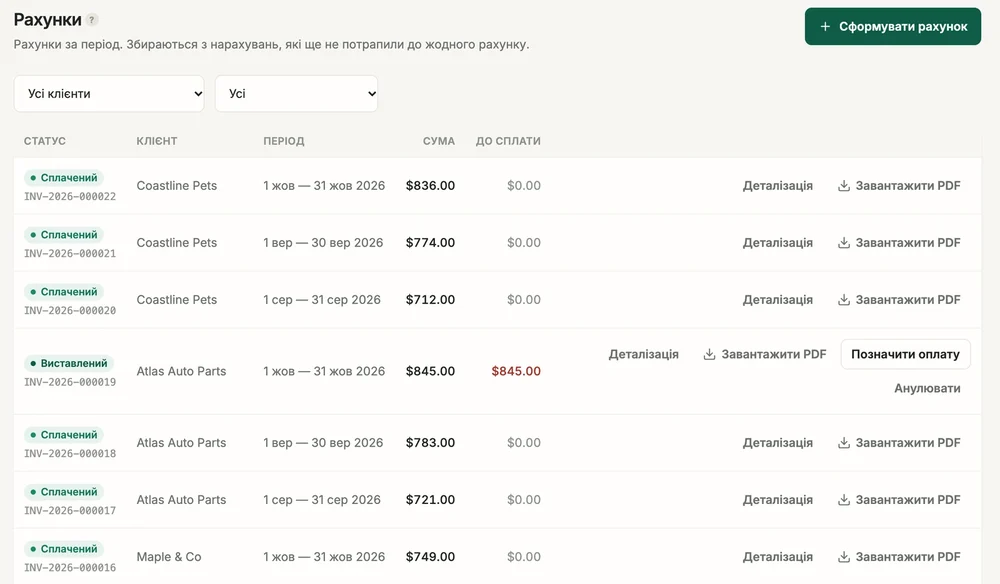
Client invoices, payment marks, staff payouts and the cash forecast are calculated automatically.
Your website, Telegram, spreadsheets, Google Drive, Asana and payment systems exchange data without copy-pasting.
Answers to clients based on your materials, sorting requests, drafting texts. Anything tricky goes to a person.
Before and after
Situations from real studio projects. The numbers come from the clients themselves.
The administrator spent half an hour building tasks in Excel and handing them out
Orders split into subtasks on their own: 12,250 tasks and 63,889 subtasks went through with no manual assignment
Every week an accountant spent 40–45 minutes calling 12 entrepreneurs to check who had paid taxes
A bot sends the reminders and collects payment marks; the accountant sees a summary
The manager asks every salesperson daily what got done
Reports and weekly plans arrive in a Telegram bot, the summary fits one screen
Crews have been paid, but nobody knows how much the business actually earned
Payouts, debts and a cash forecast for the week ahead are calculated automatically
Free, 3 minutes. An estimate and what to change first
What I do
A client books or orders on the website — and the booking appears in your panel right away: with payment, the person in charge and a reminder. It’s one system, not two separate products.
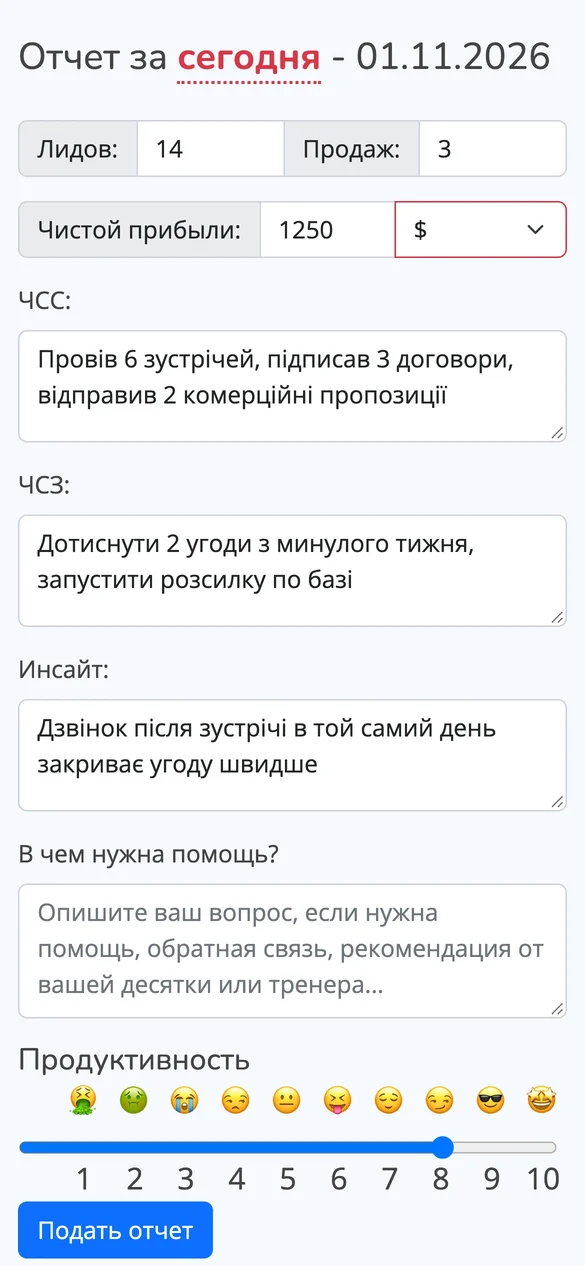
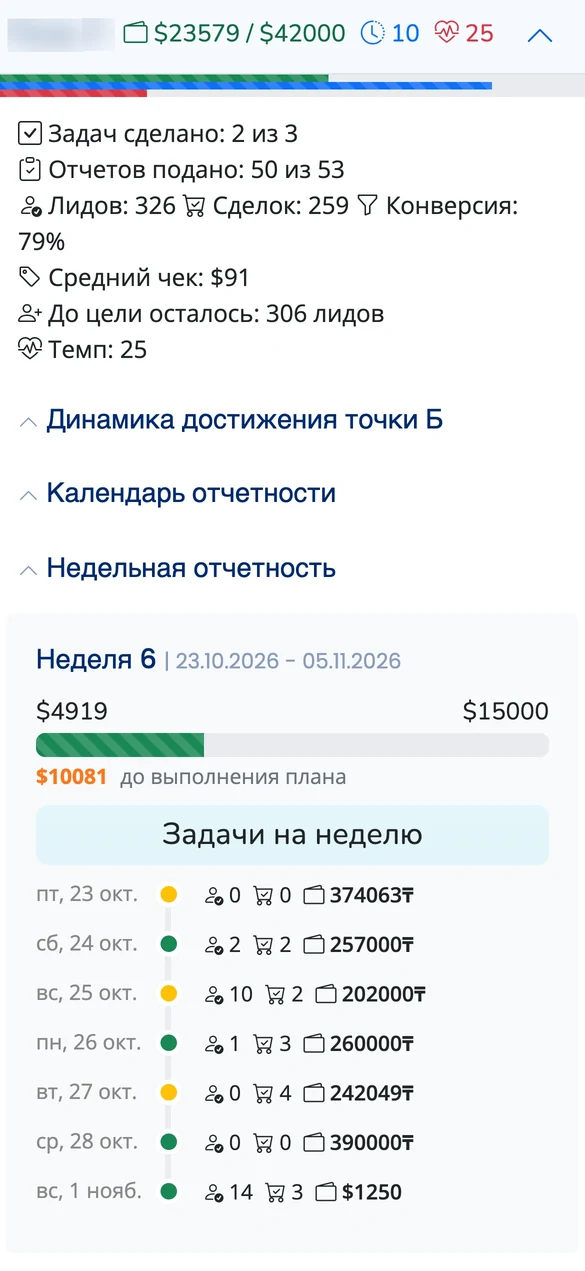
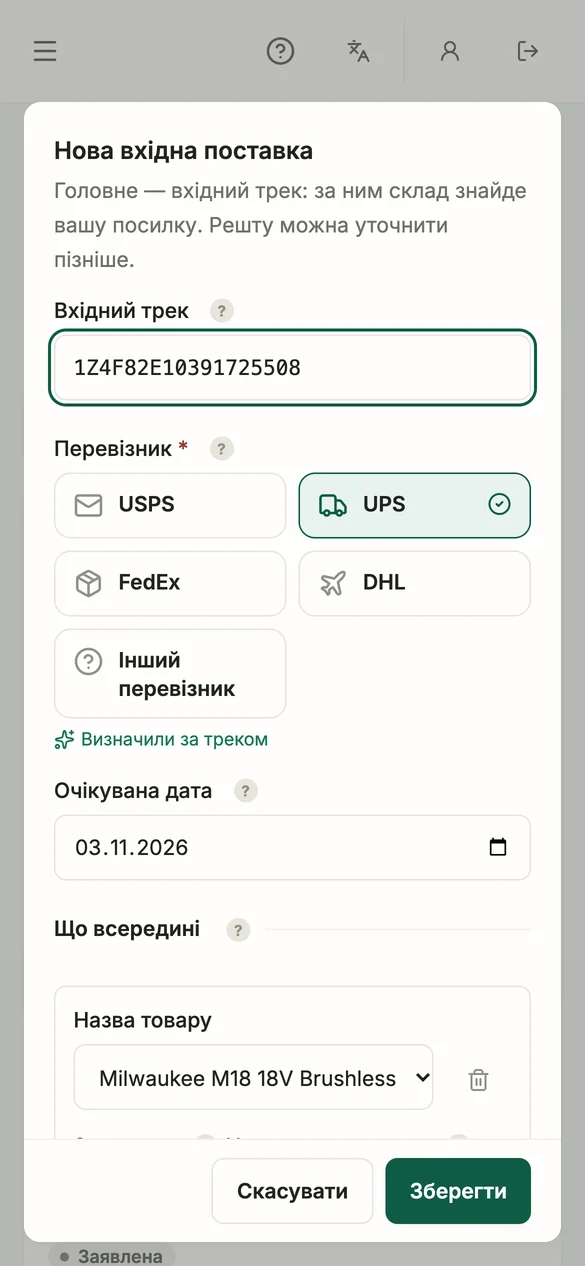
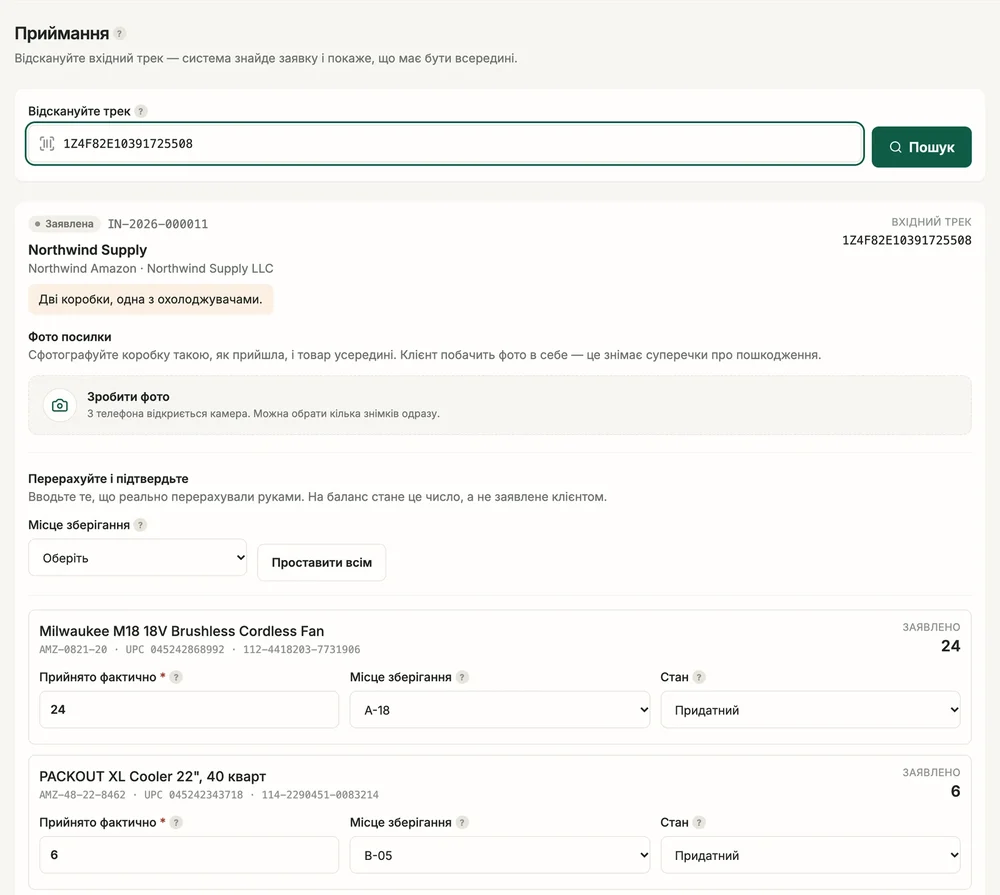
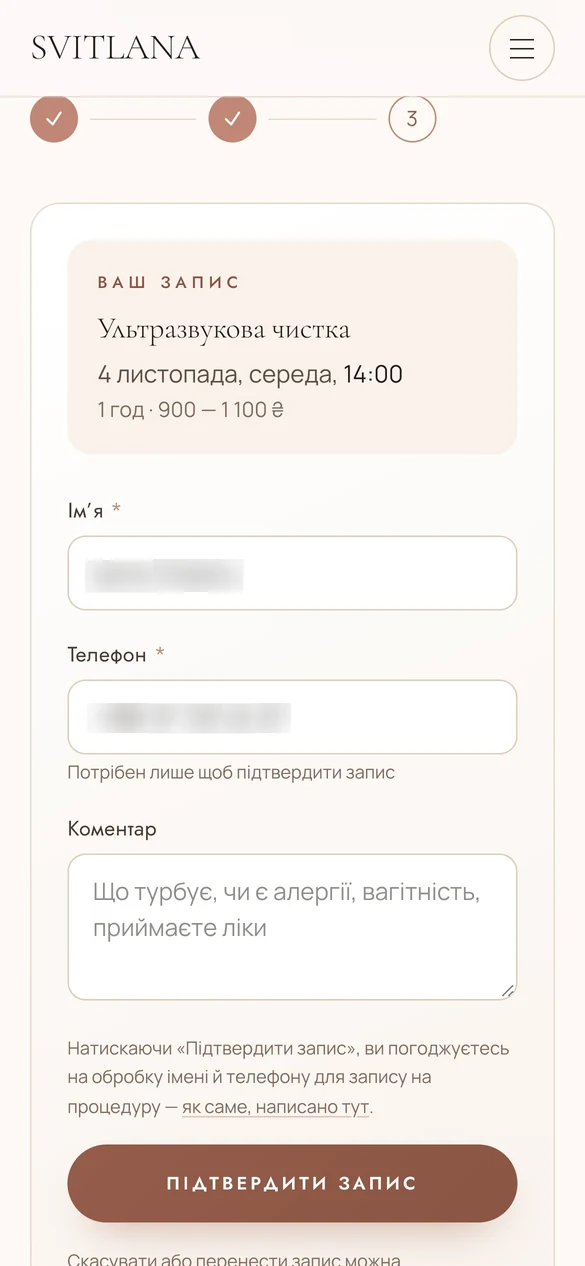
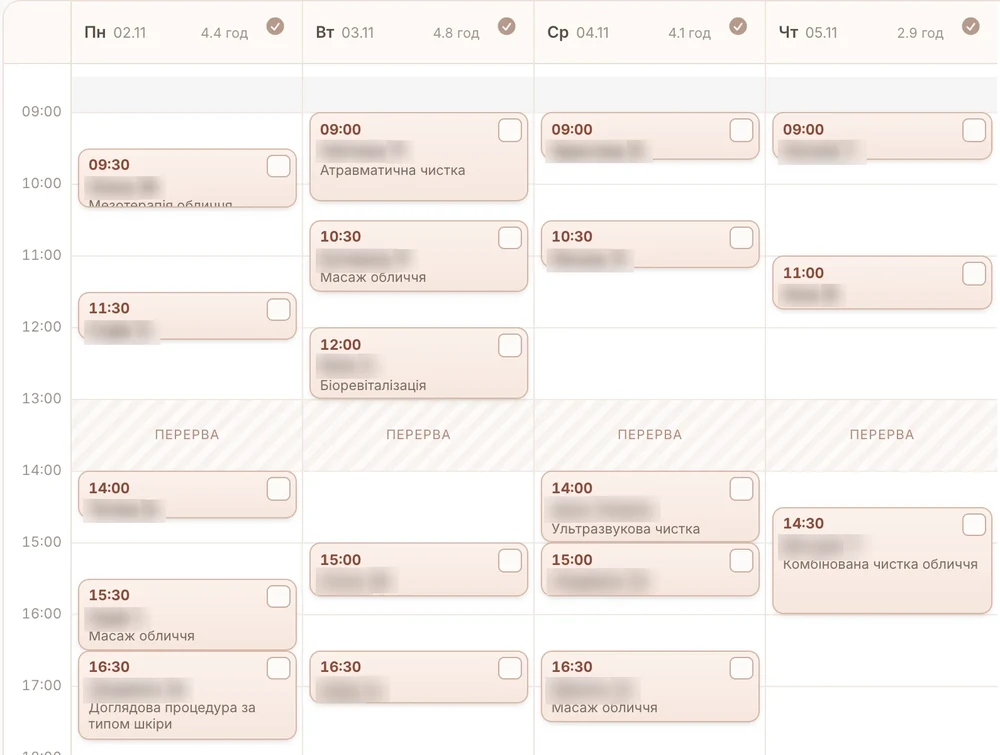
Real screens from DStudio projects, with demo data.
Your panel
Working panels from my projects — with the processes these businesses actually run on. Client data in the screenshots is hidden.
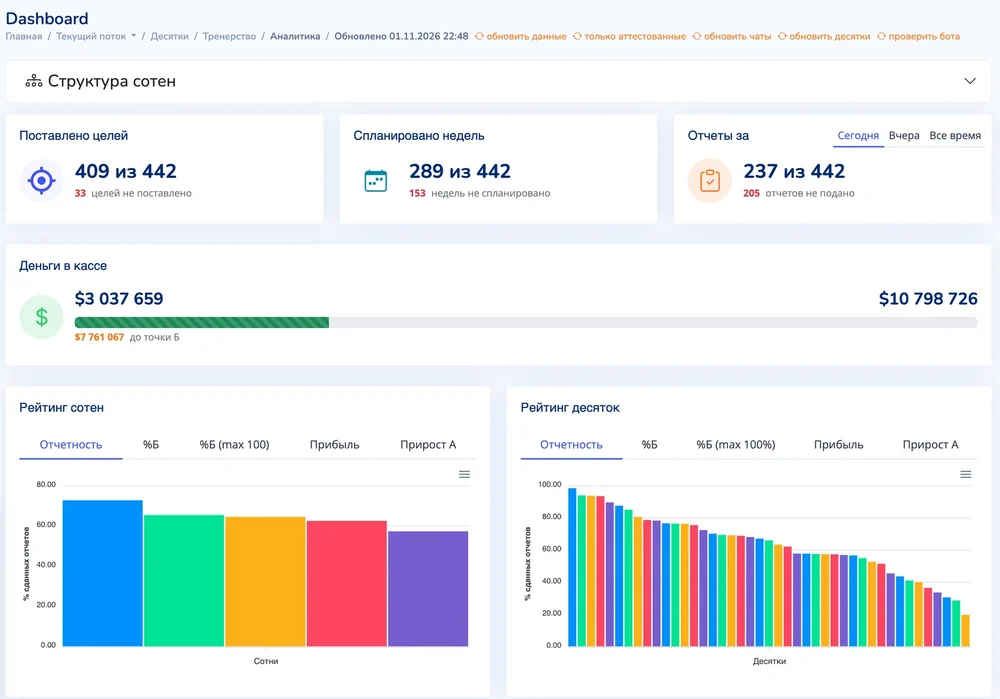
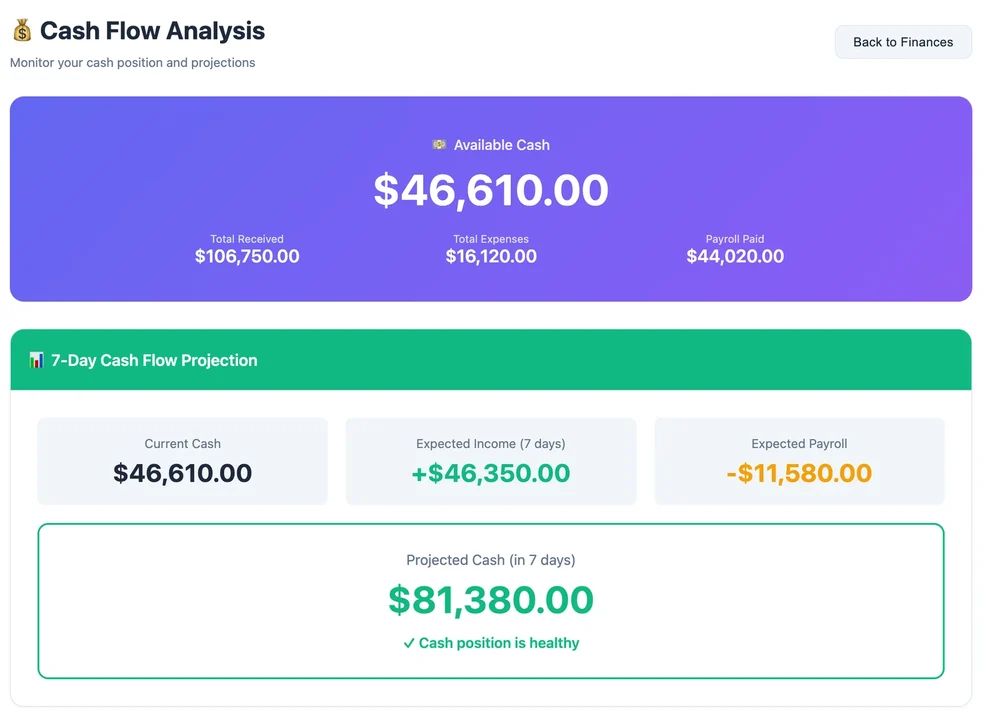
Projects
Not renders, not concepts. Working systems that businesses in Ukraine, Poland, the USA and Lithuania use every day.
 Creative studio, UGC adaptations
 · Ukraine
An agency site and production automation: an order turns into dozens of subtasks without a manager doing it by hand.
Project breakdown Accounting service
 · Ukraine
A Telegram bot for entrepreneurs and an accountant dashboard: payment reminders and automatic collection of confirmations.
Project breakdown Sales team oversight
 · Ukraine
Daily reports and weekly plans from managers, with a Telegram bot and a summary for the owner.
Project breakdown Demolition and cleaning
 · USA
The in-house system of a service company: sites, crews, daily payouts and a cash forecast a week ahead.
Project breakdown Furniture retail
 · Ukraine
An ERP instead of a 21-sheet Google spreadsheet: orders, catalog, suppliers, money and analytics in one panel.
Project breakdown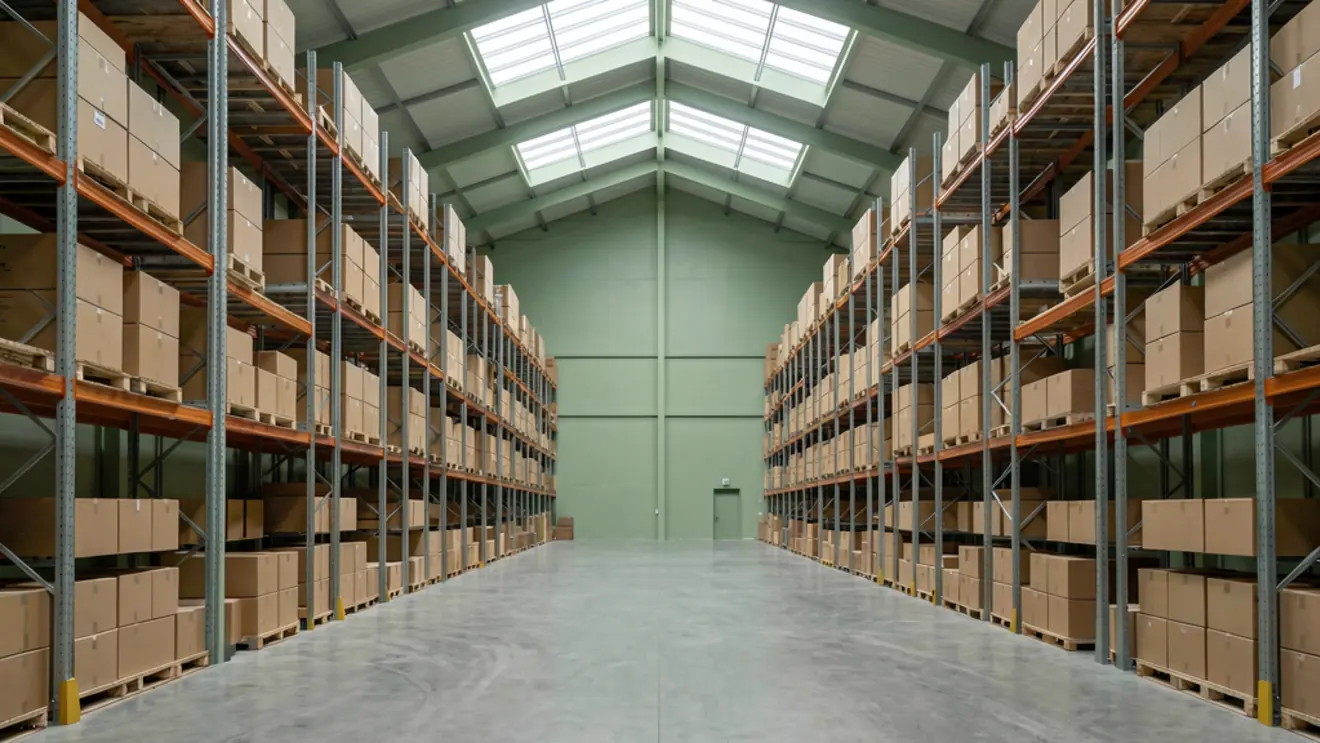 Fulfillment warehouse
 · Delaware, USA
A warehouse for Amazon, eBay, Shopify and Etsy sellers: a site, a client dashboard and the warehouse back office.
Project breakdownHow I work
The most common praise from clients sounds like this: “you can work with him without a spec — he pulls the thoughts out of your head and structures them”. That is exactly where I start.
Take the diagnostic on the site: I will see your picture before our first conversation
I ask how your money, leads and people are set up and where time is lost every day. No jargon, no “so what is your stack”.
In writing: what is included, what won’t be there, what it costs and where the ceiling is. Before the work starts, not after.
First the part you can open and click through — so you see the system before it is fully paid for.
I hand it over in blocks so the team gets used to it gradually. “It has to really be three to five buttons” is a requirement, not a nice-to-have.
I move over what has piled up in spreadsheets and notebooks. I train the team. I’m still in touch.
Business changes — so does the system. We add modules as you grow instead of rewriting from scratch.
What people say
“Dima is the only programmer you can work with without a spec. He senses intuitively what I need. He is like artificial intelligence — he already knows you”
“I just stood at a traffic light for 30 seconds — and while I stood there I handed out five tasks”
“Someone has to take all the thinking out of my head and make it real. He keeps pulling the thoughts out of my head and tries to structure them”
“Fast, great and beautiful. Honestly impressive”
“They are enjoying this platform so much now. The tester says: this is just something where everything is convenient”
Your system
The system is built around your processes. The code and data belong to you under the contract, and new features are added step by step — without switching to another platform.
Development is paid separately. Hosting, support and further improvements are on agreed terms. If a ready-made service would solve your task more cheaply, I’ll tell you so.
Next step
The first talk is free and doesn’t commit you to anything. We ask about processes, not about technology — and right there it becomes clear what can be automated first and what is better left alone.
Don't feel like writing? Take the diagnostic — the estimate and the review will reach me on their own
Questions
With the one process that takes the most time or causes the most mistakes. On the first call we walk through your day: where things get retyped, who gets called, what gets counted in the evening. We pick one spot, automate it, and only then move on to the next.
It depends on the scope. A reminder bot or connecting two services is a small project. Your own system that brings together the team, orders, inventory and money starts from $8 000 and takes 4–6 months. Scope, timeline and price are fixed in writing before work starts.
No. If your team is used to Google Sheets, Asana or Telegram, the system connects to them. In one project, for example, Asana, Google Drive and Telegram were linked into a single pipeline without changing the tools people already use.
Specific tasks: answering a client using your price list and rules, sorting requests, preparing a draft. AI makes no decisions about money and does not replace a person where responsibility is needed. More on the AI assistant page.
We move it. In one project we migrated a Google spreadsheet of 21 sheets with 16 macros and a history of tens of thousands of rows. The import is always tested on the real client file before launch.
You do. The system is deployed on your server, the access is handed to you. After that you pay only for hosting — and for further work, if you need it.
Other services
The website, the management system and the Telegram bot run on one backend: a booking from the website or the bot shows up in the panel right away.

Requests, staff, inventory, money and reports in one system built around your processes
Learn more
Answers clients from your materials day and night and passes requests to your CRM
Learn moreAnswer 5 questions — I’ll suggest where to start in your particular business
Find my system